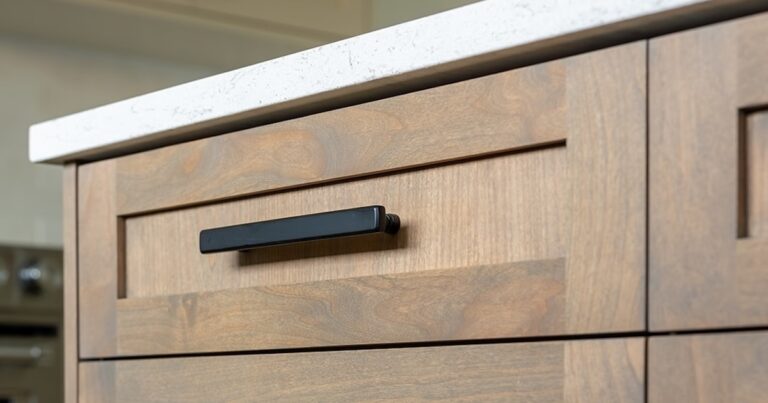
Remodeling a kitchen is an exciting but often overwhelming process. Knowing exactly what steps come first can ensure your kitchen renovation goes smoothly, stays within budget, and ultimately gives you the kitchen you’ve always dreamed of. Let’s break down the essential stages clearly and concisely.
Planning Your Kitchen Remodel
Defining Your Budget
Before you begin any remodeling tasks, establish your budget. Knowing your financial limits helps guide your decisions, from choosing appliances and materials to hiring professionals.
Designing Your Layout
Decide on the kitchen layout early. Work with a designer or use software tools to map out appliance placement, counter space, storage solutions, and overall flow.
Selecting Materials and Appliances
Now’s the time to compare flooring, backsplash, and different countertop materials before signing off on the final mood board. Before locking in colors, identify what kind of countertop you have now to see if it stays or goes.
Make preliminary choices for cabinets, countertops, appliances, fixtures, and flooring. Early selection ensures smoother scheduling and prevents delays later in the remodel. (Deciding whether to paint existing cabinets or install new ones)
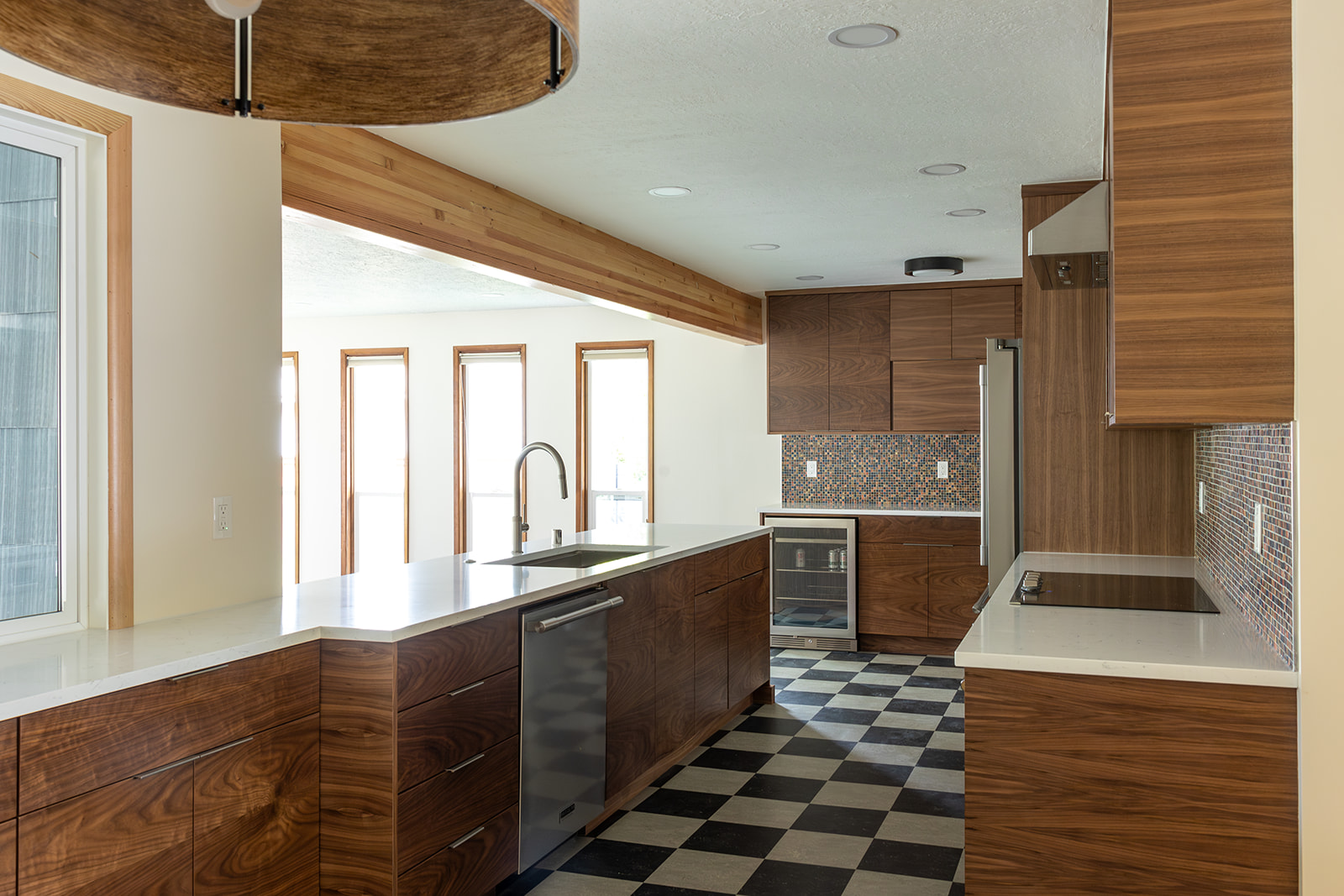
Securing Permits and Hiring Professionals
Obtaining Necessary Permits
Most kitchen remodels require permits, especially if you’re altering plumbing, electrical, or structural elements. Check local building codes and secure all required approvals beforehand.
Hiring Contractors and Specialists
Finding and hiring reliable professionals—contractors, electricians, plumbers, and cabinet makers—is critical early in the process. Thoroughly vet your team, obtain references, and finalize contracts clearly outlining expectations and timelines.
Demolition and Preparation
Clearing Out the Kitchen
Completely clear the kitchen space, removing appliances, cabinets, flooring, and fixtures. Proper preparation at this stage significantly reduces complications later.
Inspecting Structural and Utility Elements
Once your kitchen is stripped down, carefully inspect existing plumbing, electrical wiring, and structural integrity. Addressing hidden issues upfront saves money and prevents future surprises.
Structural Changes and Rough-In Work
Adjusting the Kitchen Structure
Make any necessary structural adjustments, such as removing or adding walls, windows, or doors. Completing structural changes first sets a solid foundation for the remodel.
Plumbing and Electrical Rough-In
With the structural elements in place, proceed with plumbing and electrical rough-ins. This phase includes installing or relocating pipes, wiring, outlets, and fixture boxes.
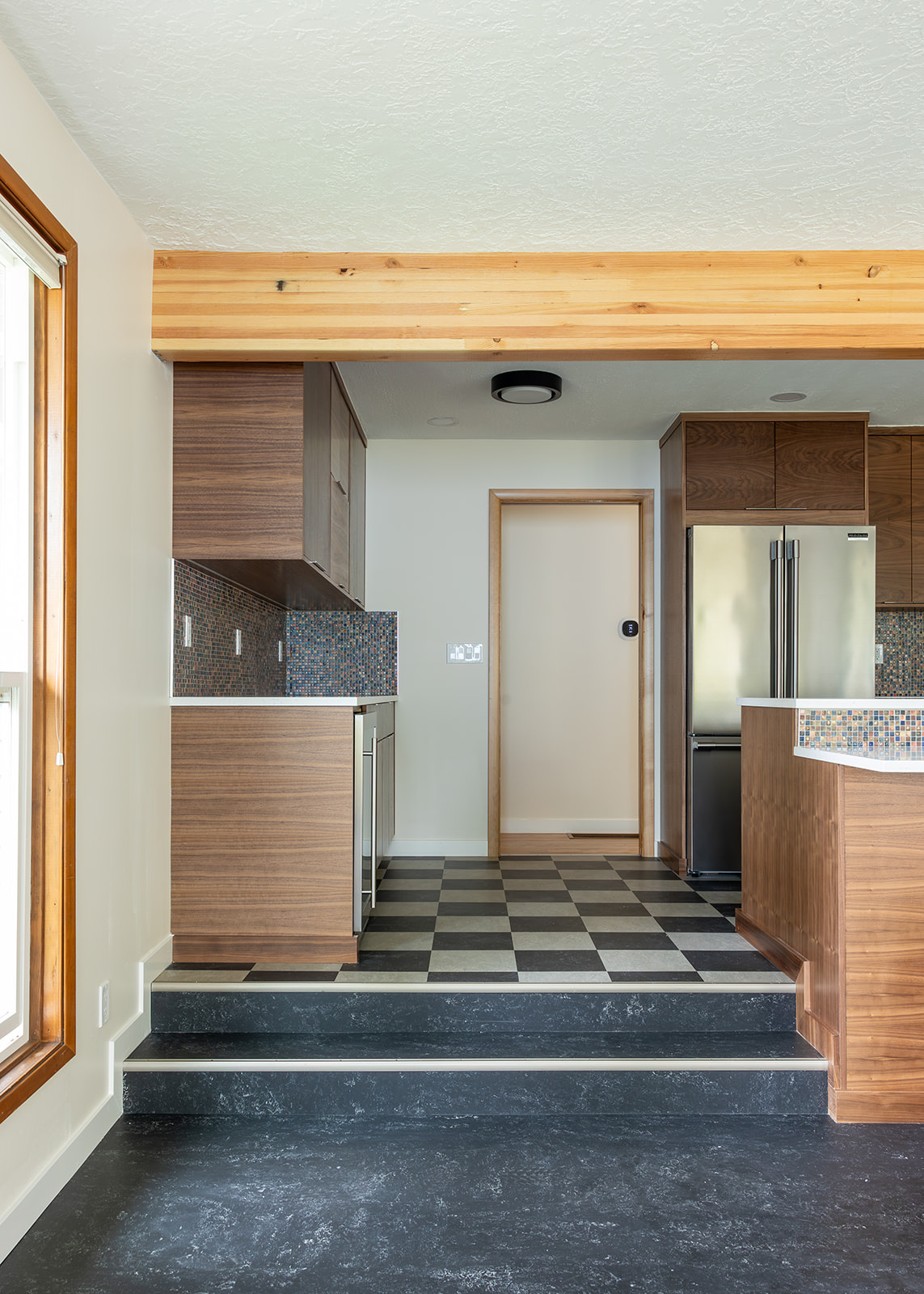
Installing Walls, Flooring, and Cabinets
Closing Up Walls
After inspections, install drywall, insulation, and apply initial paint coats. These steps create a clean slate for the rest of the remodeling process.
Laying the Flooring
Choose durable, kitchen-friendly flooring. Install flooring after walls but before cabinetry for optimal results.
Installing Cabinets and Countertops
Once floors are complete, cabinet installation can begin. Follow this with precise countertop measurements and installation to ensure accuracy and fit.
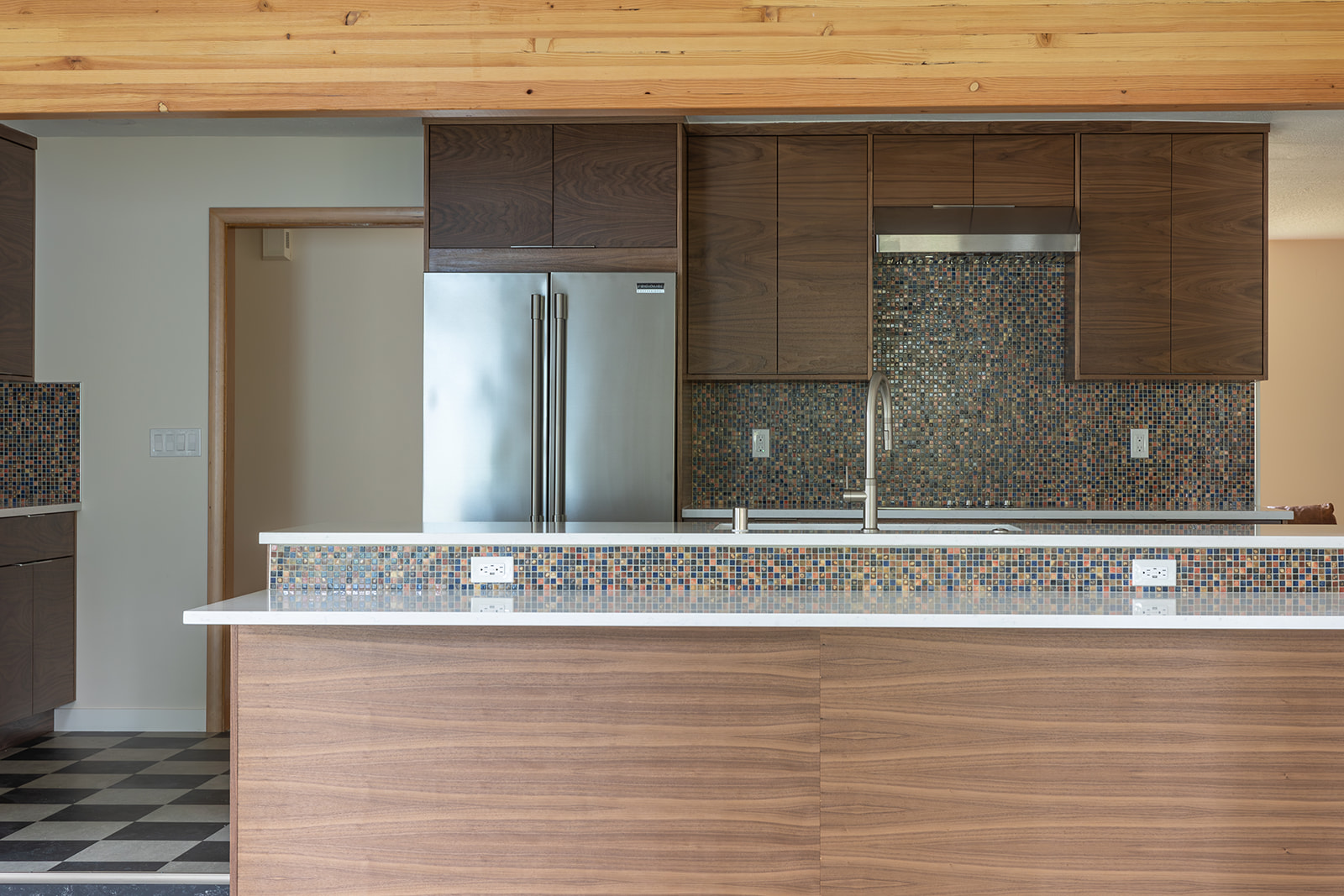
Finishing Touches and Final Installations
Appliance Installation
Bring in and install appliances, ensuring they fit and function correctly within the prepared spaces.
Finalizing Plumbing and Electrical Fixtures
Install faucets, sinks, lighting fixtures, and switches. Complete final utility connections and confirm everything is operational.
Final Inspection and Cleanup
Conduct a thorough inspection to confirm all work meets your standards and local codes. Perform a detailed cleaning to make your new kitchen spotless and ready to use.
Conclusion
Knowing exactly what steps to take first when remodeling your kitchen ensures your project runs smoothly from start to finish. With careful planning, a defined budget, and the right team, your kitchen remodel will be a rewarding experience, leaving you with a space you’ll love for years to come.